
Land Remediation Tax Relief is a scheme implemented by the UK government that presents a valuable opportunity for property investors and developers.
The relief can be relevant across many businesses, but common claimants include housebuilders, commercial property developers, manufacturers, and other industrial or energy sector businesses. But how can you take advantage of this?
Our Capital Allowances team explain what Land Remediation Relief is and how you can enjoy the tax benefits whilst also contributing to a greener future.
What is Land Remediation Relief?
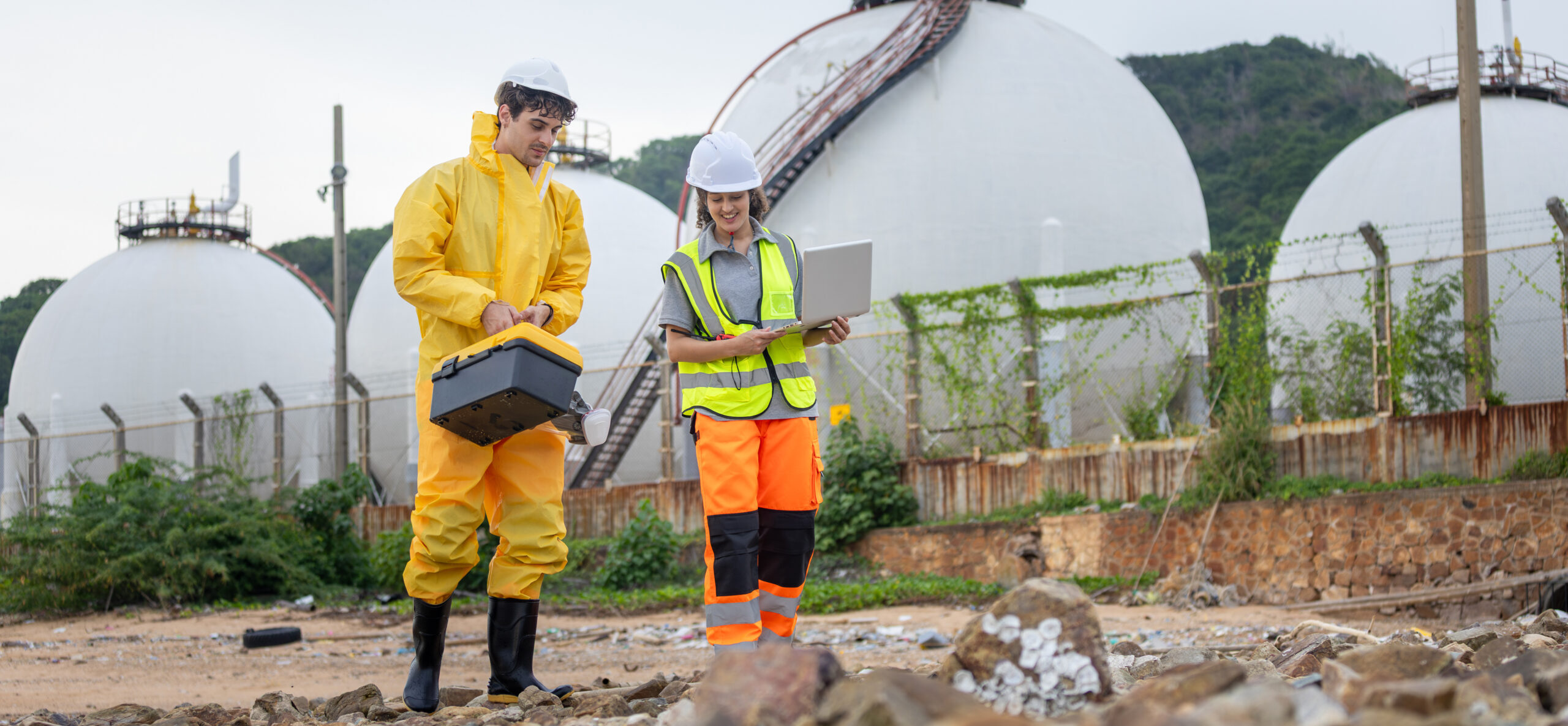
Land Remediation Relief is a tax incentive scheme that encourages restoration and redevelopment of brownfield sites or contaminated land or buildings.
The rate of the relief is generous, enabling businesses to claim corporation tax relief of 150% of the cost of remediation.
A tax credit (i.e. a payment from HMRC) is also available for companies that are loss making for tax purposes, at a rate of 16% of the loss created by the relief (so up to 24% of the qualifying expenditure incurred once the 150% markup is applied).
The table below compares the tax savings/tax credit possible based on a company incurring £100k of qualifying expenditure:
| Qualifying expenditure (£) |
Is the expenditure capitalised to the balance sheet (capital) or expensed through the P&L (revenue)? | Tax deduction without Land Remediation Relief (£) |
Tax deduction with Land Remediation Relief (£) |
Additional tax savings from Land Remediation Relief (at 25% rate of tax) (£) |
Amount of tax credit if loss making (£) |
| 100,000 | Capital | Nil | 150,000 | 37,500 | 24,000 |
| 100,000 | Revenue | 100,000 | 150,000 | 12,500 |
24,000 |
Who can claim the relief?
Land Remediation Relief is available to property owners, investors and developers. They can claim the tax relief on qualifying expenditure associated with the decontamination of land or buildings that have been acquired from a third party in a contaminated state.
Note that only businesses subject to Corporation Tax can claim the relief.
What type of land contamination qualifies for Land Remediation Relief?
The relief can be claimed on works that were undertaken because of the presence of a qualifying contaminant.
Qualifying contaminants include:
- Any substance introduced by industrial activity that can harm people, animals, or buildings
- Japanese knotweed
- Radon
- Arsenic
Common examples for the first point above include asbestos in walls or ceilings, hydrocarbons in soil, chemical pollution in groundwater/water sources.
The regime also allows some limited types of expenditure on derelict land to be claimed through the relief, though to do so the site acquired must have been derelict since 1 April 1998, a date that has not been changed since the relief was introduced in 2009.
Common pitfalls when claiming the relief
There are various layered conditions for being able to claim the relief, with some common issues being:
- To be able to claim the company incurring the qualifying expenditure must have a major interest in the land, such as a freehold or leasehold interest of at least 7 years.
- The relief cannot be claimed where the claiming company is responsible for introducing the pollution. This also extends to any connected parties – so can cause entitlement headaches where the shares in companies that own contaminated properties are acquired rather than contaminated properties directly.
- ‘Nothing’ can’t be a contaminant – for example capping a mineshaft won’t qualify for the relief (though other contamination may be present on the same site).
- The expenditure must be incurred as a result of the contaminant to qualify – if a small, localised area of chemicals in the soil of a site was found, but the full site was going to be relevelled for construction work anyway then the relevelling costs would not qualify.
Examples where PKF Smith Cooper’s specialist team have helped to make claims
As noted above, the conditions to claim Land remediation relief are numerous and complex. Specialist advice can help you navigate these and make sure your claim is complete and robust. Some areas we have prepared claims for include:
- House builders removing contaminated soil and introducing clean capping layers.
- The treatment and removal of Japanese Knotweed across various sites, including where introduced via spread from neighbouring sites or fly tipping.
- A retailer undertaking a programme of asbestos removal works across various branches.
- The installation of a gas membrane on a construction site due to radon pollution.
How could the relief change?
The Government held a consultation on the relief last year, with responses closing in September 2025. This consultation aimed to assess how successful the relief had been at encouraging companies to remediate contaminated sites.
Some of the key areas explored, that could see changes, include:
- The restriction from claiming where the contaminant was introduced by a connected party, or a party with a continued interest (for example a freeholder where the long leaseholder has remediated the site, or where the polluter holds a reversionary interest).
- The date a site must have been derelict since in order to claim derelict land relief.
- The rate of the relief and the tax credit.
We hope to see the results of the consultation later this year.
Our team can assist you in claiming relief
Our Capital Allowances team can provide expert advice and guidance when claiming Land Remediation Relief. Get in touch today to see how we can help.